
Insulin Resistance
How did we get here?
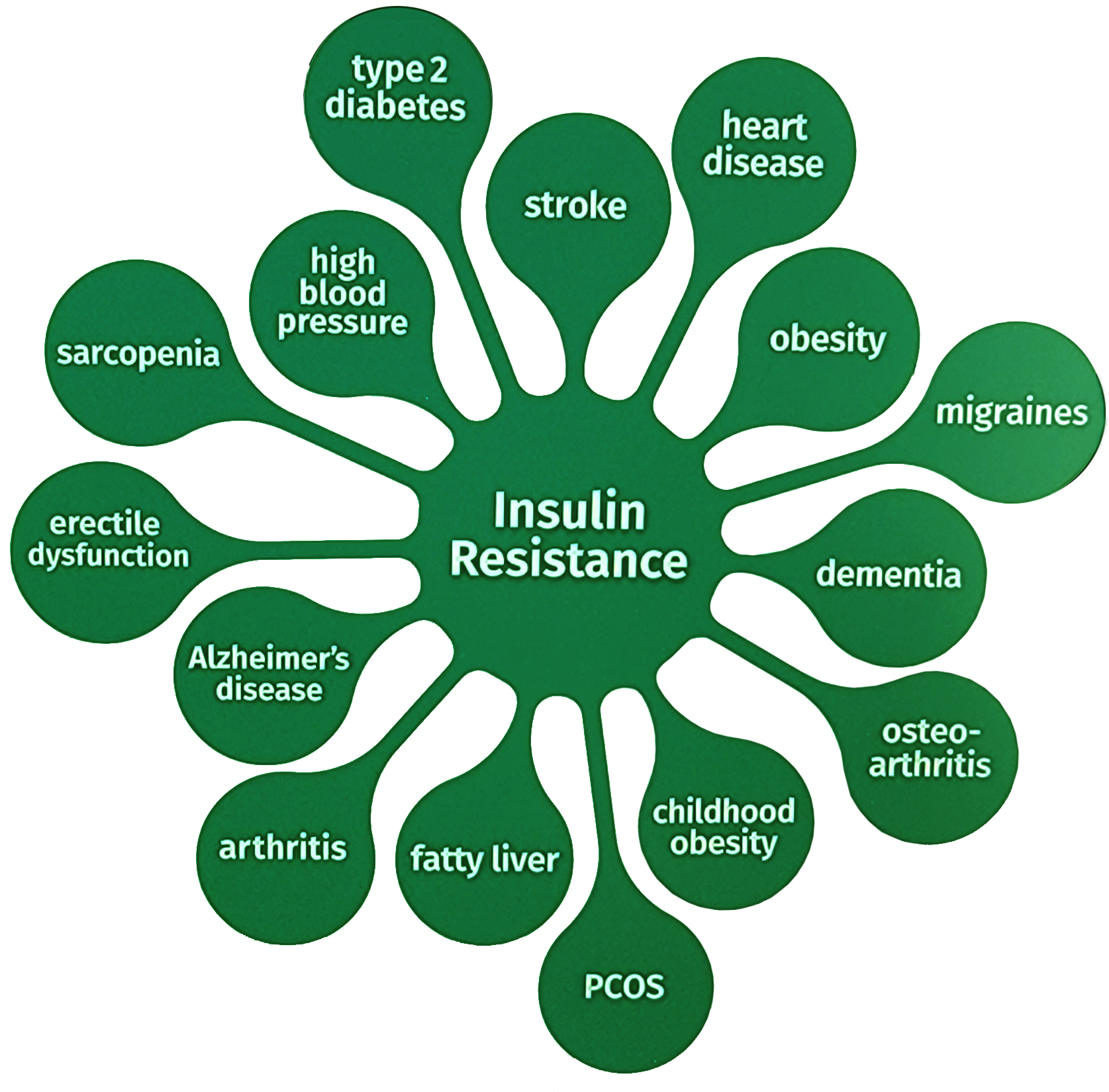
What is Insulin Resistance?

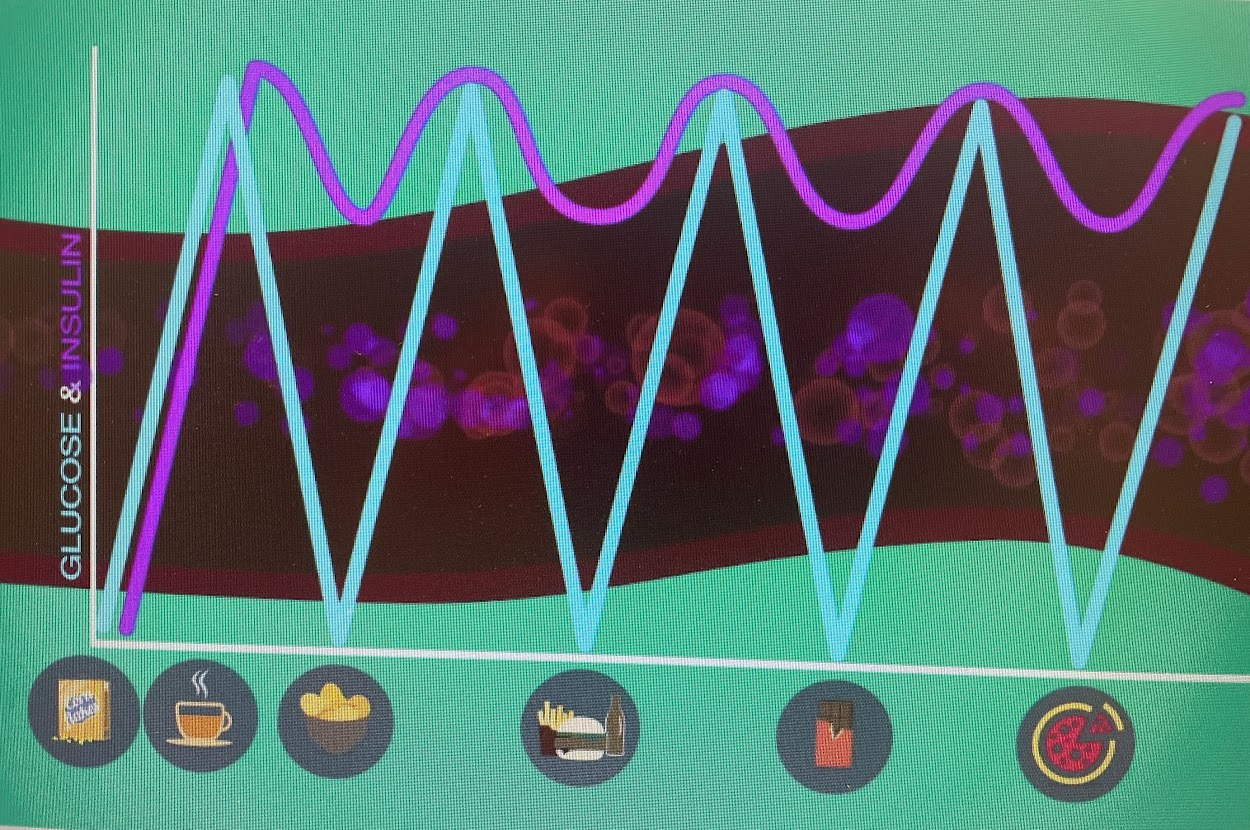
How do I know if I have it?
If you can answer YES to any 2 of the symptoms listed below, you are most likely insulin resistant.
- You are pre-diabetic or Type 2 Diabetic.
- Abdominal girth of +35" (female) or +40" (male). This is a sign of visceral fat.
- You have high blood pressure.
- You have high triglycerides.
- You retain fluids easily.
- You have skin tags or dark patches in skin folds.
- You have PCOS (female) or ED (male).
- You have a family member with heart disease or pre-diabetes.
To accurately determine if you have IR, talk to your health care provider about blood tests, such as a fasting insulin level, a HOMA-IR score, and Triglycerides/HDL ratio.
Why Lowering Insulin Matters Most
Three Proven Strategies That Support Metabolic Repair

Controlling Carbs
About 71% of our daily calories come from processed carbohydrates. Carbohydrates stripped of fiber act like sugar in the blood stream. The average American consumes over 60lbs of sugar/year.
So, if you haven’t heard yet the traditional food pyramid just flipped. The new recommendations prioritize proteins, fats, fruits, vegetables and whole grains, while decreasing refined carbs, sugars and highly processed foods. This along with intermittent fasting is what improves metabolic health. The benefits of embracing this plus increasing DIVERSE fibers in the diet have many benefits.
- Helps controls blood glucose/insulin levels.
- Helps controls hunger/cravings.
- Helps with weight management
- Helps prevent heart disease, T2D, and some cancers.
- Diverse fiber helps improve gut health and delivers more nutrients to the cells. (see benefits of reversing Leaky Gut below)
So let’s eat more strategically incorporating diverse fiber. It is recommended by many experts to get 30 different fibers into your diet on a weekly basis. This can be daunting and difficult for most of us. This is why I promote the fiber matrix Balance. It has 7 diverse fibers backed by science to do all the things noted above and delivers nutrients on a daily basis that are otherwise difficult to find in our fast-paced world.

Intermittent Fasting
The benefits are well documented and include:
- Lowering insulin levels, helping you become insulin sensitive.
- Helping to burn fat for fuel and steady energy
- Heart healthy
- Mental clarity
- Anti-inflammatory effects
- Less cravings/hunger over time.
- Rest and repairing the gut lining and pancreas.
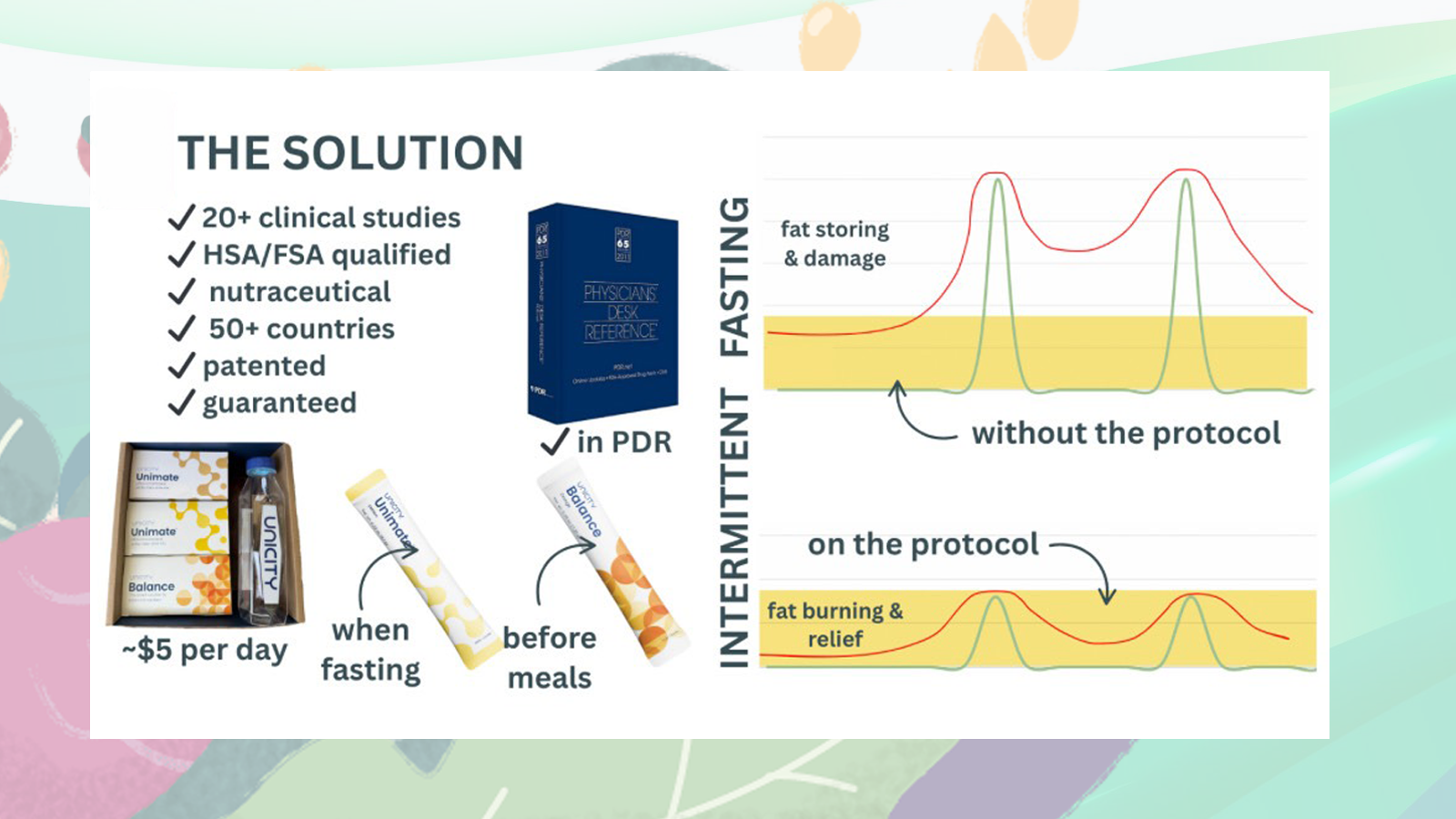
Intermittent fasting can be difficult in the beginning so if you have never skipped a meal on a regular basis, we recommend starting slow with a 12 hr fast between your last meal of the day and your first. Have 3 healthy meals and no snacking between them. Then you can work up to a 16 hours fast by skipping that first meal. This is when insulin lowers and fat burning takes over.
Hydration is key, and our Feel Great System will help you tremendously to curve your cravings/hunger and enhance your health goals.
Major point: Weight loss and metabolic health is not a calorie in calorie out issue, it’s a hormonal issue.

Lower Inflammation
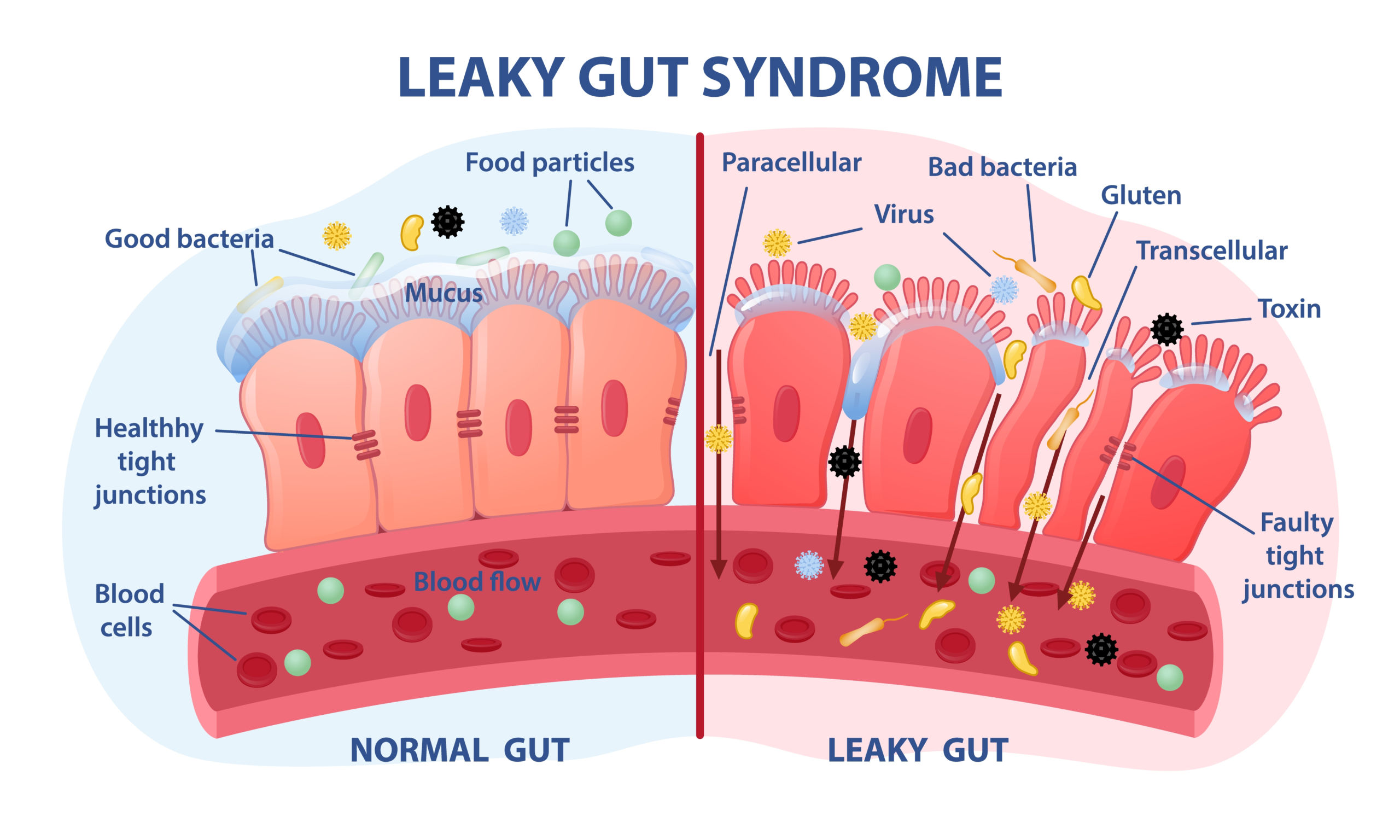
This is metabolic dysfunction. Lowering inflammation improves insulin sensitivity and lowering insulin lowers inflammation. (Hence this program we are offering). The chronic inflammation can be triggered by many things like pollutants, infections, visceral fat (around your organs) and the immune response from “leaky gut”. The truth is MOST of us have some level of Leaky Gut and visceral fat. In short, Leaky Gut, also called dysbiosis, is when the microbial balance in the digestive track becomes unbalanced causing inflammation in the gut and toxins then leak between the cellular columns. (See below)
This immune response directly raises insulin resistance causing more damage to various cells in the gut lining and around the body. The FGS on the product page will help heal the gut lining by improving the microbiome. It also helps remove inflammatory fat (visceral fat). Together with life style changes This has far reaching benefits for hormonal, mental and metabolic health.
Understanding Leaky Gut
Leaky gut occurs when the gut lining becomes irritated and allows toxins and inflammatory particles to slip into the bloodstream. This imbalance can trigger a chain reaction that increases inflammation and contributes to insulin resistance. Research continues to grow on how strongly gut health influences the rest of the body.
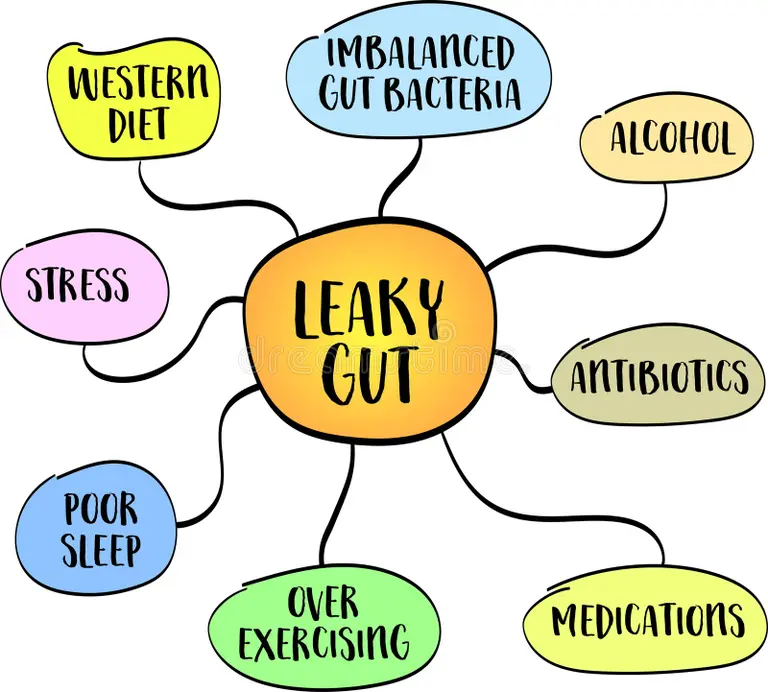
Causes
• Poor diet — high sugars, low fiber, and ultra‑processed foods
• Medications that disrupt the gut lining — antibiotics, oral contraceptives, NSAIDs
• Alcohol — increases intestinal permeability
• Insulin resistance or slow gut motility — both weaken the gut barrier over time
• Chronic stress — anxiety, poor sleep, and ongoing pain can disrupt gut function
• Inflammatory bowel disease (IBD) — chronic inflammation damages the gut lining
• Celiac disease — autoimmune inflammation triggered by gluten exposure
Common Symptoms
• Nausea
• Bloating and painful abdominal cramps
• Diarrhea or constipation
• Food sensitivities or allergies
• Fatigue and brain fog
• Anxiety and mood changes — strong gut–brain connection
• Joint pain and inflammation
• Some autoimmune conditions
• Skin issues related to gut imbalance
• Sugar or carb cravings
Solutions
• Increase diverse plant fibers to feed beneficial gut bacteria.
• Prioritize fresh plant foods — fiber is only found in plants.
• Aim for at least 30 different plant fibers each week.
• Target 35–40 grams of fiber per day — most people get less than half.
• Include fermented foods such as kimchi, sauerkraut, pickles, and Greek yogurt.
• Our recommended fiber matrix adds 7 diverse fibers with natural nutrients that support the microbiome and help repair the gut lining.
Correlation and Causation of Leaky Gut
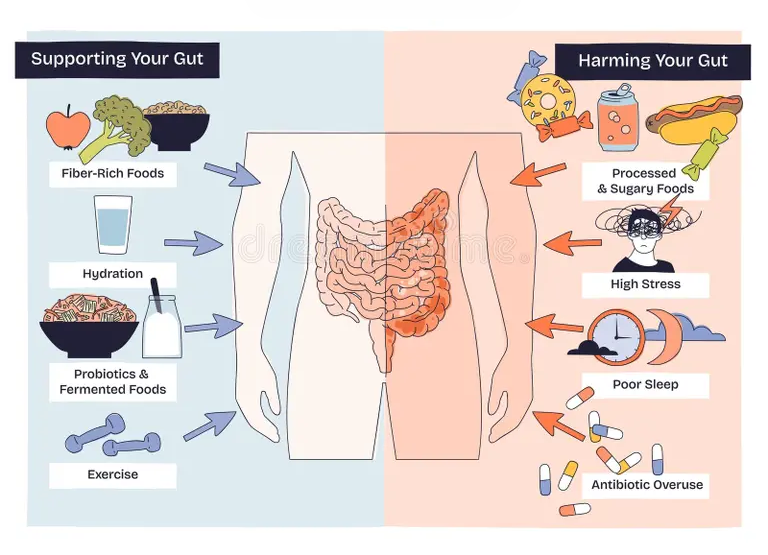
A stressed microbiome doesn’t cause every metabolic symptom on its own, but it creates the conditions where those symptoms become far more likely. When the gut is repeatedly exposed to low‑fiber meals, high sugar intake, chronic stress, poor sleep, and common medications, the microbial balance shifts. This imbalance correlates strongly with increased inflammation, disrupted insulin signaling, and the early stages of metabolic dysfunction. In other words, the lifestyle patterns shown in the graphic don’t directly cause each symptom — they set off a cascade in the gut that influences many systems throughout the body.
We Help You Build Healthy Habits & Realistic Routines
Small, Sustainable Changes That Fit Your Life!
We tailor your plan to your current struggles, your lifestyle, and your health history. Supporting your gut shouldn’t feel disruptive or overwhelming — it’s about starting slow, staying consistent, and building habits that naturally fit your day. Gut balance and insulin resistance are deeply connected, which is why ongoing communication matters. We’ll guide you toward healthier choices, help you understand what your body needs, and support you as you you build habits that truly last.
Our Approach to Beating Insulin Resistance & Leaky Gut
A Simple Three-Pronged Method That Works WITH Your Body - Not Against It!
Gut Health Guidance
Simple, science‑backed steps to restore balance and feel your best.

Digestion & Bloating
Bloating after meals is often a sign your gut needs a little extra support. Eating more slowly, avoiding carbonated drinks, and taking a short walk after meals can ease discomfort. Reducing processed foods and noticing any sensitivities may also help your digestion feel more settled.

Inflammation & Immunity
Chronic inflammation can weaken the gut lining and place extra stress on your immune system. Conditions like IBD, celiac disease, ongoing stress, or poor sleep can all contribute. Supporting your gut helps calm inflammation and strengthen your natural defenses.

Microbiome Balance
Your microbiome thrives on diverse plant fibers from fruits, veggies, and whole grains. Adding fermented foods, reducing sugary or highly processed foods, and avoiding unnecessary medications all help beneficial bacteria flourish. Regular movement and an intermittent fasting lifestyle can also support a more balanced gut.

Daily Gut-Friendly Habits
Simple daily choices can make a big difference in how your gut feels. Staying hydrated, eating slowly, choosing whole foods, and moving your body after meals all support smoother digestion. Over time, these small habits help keep your gut balanced and strong.
More About the Feel Great System
Learn How it Works!
How does the Feel Great System Work?
The Feel Great System supports your metabolism by helping stabilize blood sugar, reduce cravings, and improve how your body responds to insulin. It pairs two simple tools with gentle lifestyle habits to slow glucose spikes, support gut health, and keep you feeling fuller longer. Over time, this steadier metabolic rhythm helps your energy, digestion, and cravings feel more balanced and predictable.
Do I have to give up carbs?
No — you don’t have to give up carbs. The goal is to choose carbs that support steady blood sugar, like fruits, veggies, beans, and whole grains, while reducing the ultra‑processed, sugary ones that cause big spikes. When you become insulin sensitive again, you will no longer have these symptoms of cravings and crashes after meals.
How long does it take to see results?
Everyone’s timeline is a little different, but most people begin noticing meaningful changes within the first 90 days. Consistency and communication make a big difference — the more steady you are with the habits and tools we teach, the faster your body responds. Many people experience reduced cravings, better energy, improved digestion, and early shifts in insulin levels within the first few weeks. Over time, symptoms of insulin resistance and lab markers often begin to improve as well.
What if I’ve tried everything before?
Many people come to the Feel Great System feeling discouraged because nothing else has worked long‑term. This approach is different because it focuses on stabilizing blood sugar and supporting gut health — the root causes behind cravings, low energy, and stubborn weight. When your metabolism is steadier, your body finally has the environment it needs to respond and make progress.
Is intermittent fasting safe for women?
Intermittent fasting can be safe for many women, but it isn’t a one‑size‑fits‑all approach. Women’s bodies can respond differently to fasting because of hormonal patterns, stress sensitivity, and individual health history. That’s why we encourage a gentle, gradual approach and open communication as you get started.
If you’re pregnant, nursing, or trying to conceive, fasting is not recommended. During these seasons, your body needs steady nourishment, and we focus instead on supporting your gut, stabilizing blood sugar, and building healthy habits without fasting.
For all other women, especially those new to fasting, we emphasize:
- starting slowly
- listening to your body
- avoiding extreme fasting windows
- prioritizing nutrient‑dense meals
- adjusting based on your cycle, energy, and symptoms
As with any new change, we strongly advise you to check with your healthcare provider — especially if you have underlying conditions, take medications, or have concerns about hormones or blood sugar.
Our role is to guide you, support you, and help you find an approach that feels safe, sustainable, and aligned with your life.
What if I miss a day or slip up?
It happens to everyone — truly. There’s no guilt and no starting over. Just pick back up at your next meal or your next window and keep going. One off‑day won’t undo your progress. What matters most is consistency over time, not perfection in the moment.
Start Your Feel Great Journey
Simple Steps. Real Results. You Don't Have to Do This Alone!